
Applications of Robotics: 7 Industries Being Transformed in 2026

Applications of Robotics: 7 Industries Being Transformed in 2026
The applications of robotics have expanded far beyond the assembly lines where they first gained prominence. Today, robots are harvesting our food, navigating our blood vessels to perform surgery, and exploring the surface of Mars.
As Artificial Intelligence (AI) and machine learning converge with hardware, the capabilities of these machines are shifting from simple automation (following a script) to true autonomy (making decisions).
For business leaders, students, and tech enthusiasts, understanding the current landscape is essential. Here is a comprehensive guide to the top applications of robotics transforming our world in 2025, supported by exclusive data on how the American public perceives these technologies.
1. Manufacturing and Industrial Automation
Manufacturing remains the most mature and impactful sector for the applications of robotics. While traditional industrial robots were caged off for safety, the modern factory floor is defined by "Cobots" (Collaborative Robots) that work side-by-side with human operators.
Key Applications:
- Arc Welding & Assembly: High-precision arms that perform repetitive tasks with perfect consistency.
- Material Handling: Autonomous Mobile Robots (AMRs) that navigate warehouses to move pallets and goods without human guidance.
- Quality Control: Computer vision systems that inspect products for microscopic defects at high speeds.
Industry Insight: The public views this sector as the primary engine of automation. In a 2025 national survey, 57% of Americans identified manufacturing as the industry most likely to be impacted by robotics. Furthermore, 44% believe these tools will actually help drive more manufacturing to return to the U.S., highlighting a link between automation and economic independence.
2. Healthcare and Medical Robotics
Perhaps the most life-changing applications of robotics are found in medicine. These systems are designed to augment human skill, providing surgeons with "superpowers" like tremor filtration and microscopic vision.
Key Applications:
- Surgical Systems: Tele-operated robots (like the da Vinci system) allow for minimally invasive surgeries with faster recovery times.
- Rehabilitation: Powered exoskeletons help stroke and spinal cord injury patients relearn how to walk.
- Hospital Logistics: Autonomous tugs transport linens, meals, and medical waste, allowing nurses to focus on patient care.
Industry Insight: Public sentiment is mixed here. While 40% of Americans are excited about robotics assisting in surgeries , nearly 44% remain nervous, underscoring the need for the medical community to build trust in these automated assistants.
3. Robotics in Hazardous Environments
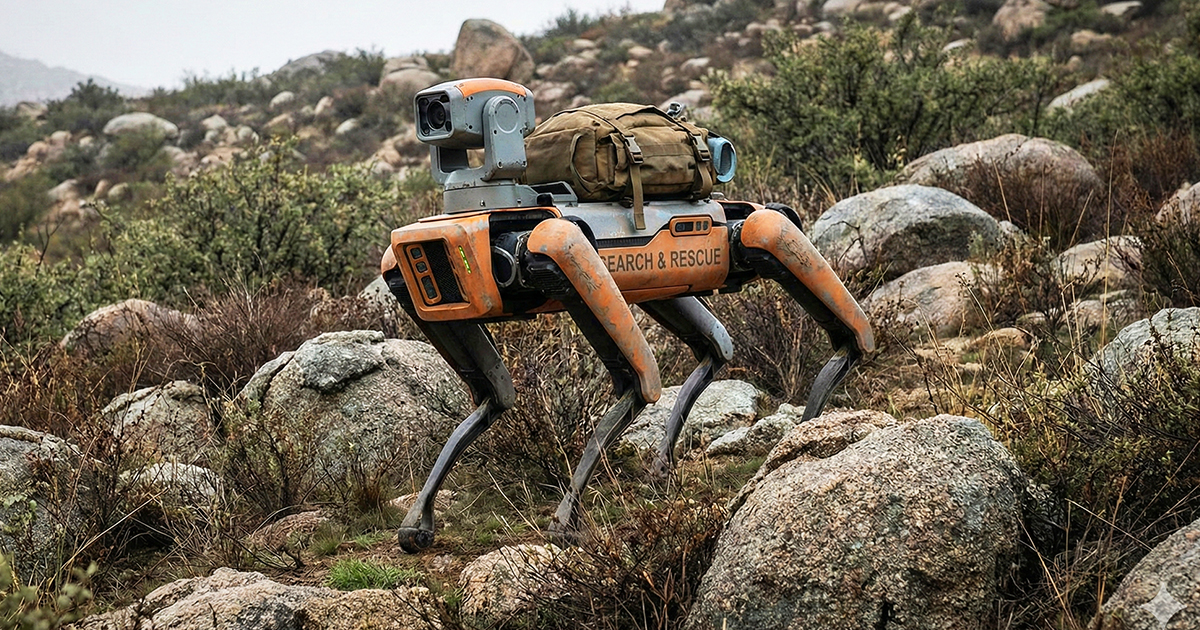
One of the most universally supported applications of robotics involves sending machines where humans simply shouldn't go. These "Field Robots" operate in extreme environments to perform dull, dirty, and dangerous jobs.
Key Applications:
- Disaster Response: Robots deployed into collapsed buildings or fire zones to search for survivors.
- Nuclear Decommissioning: Machines that handle radioactive waste and inspect containment vessels.
- Infrastructure Inspection: Drones and crawlers that inspect bridges, pipelines, and high-voltage towers.
Industry Insight: This is the "sweet spot" for public acceptance. Our data shows that 49% of people are excited about robots working in hazardous industrial environments , and 47% support their use in disaster relief.
4. Space Exploration
Space represents the ultimate hazardous environment, and robotics has been the backbone of planetary exploration for decades. The applications of robotics in space are shifting from observation to construction and maintenance.
Key Applications:
- Planetary Rovers: Autonomous vehicles like NASA's Perseverance that conduct science experiments on Mars.
- Satellite Servicing: Robots capable of refueling or repairing satellites in orbit to extend their lifespans.
- In-Space Manufacturing: 3D printing structures in zero-gravity environments.
Industry Insight: Innovation in space is a major source of optimism. 48% of Americans expressed excitement about robotics advancing space exploration, with very low nervousness compared to other sectors.
5. Agricultural Robotics (AgTech)
To feed a growing global population amid labor shortages, the agriculture industry is turning to advanced automation. Applications of robotics in farming focus on precision—treating individual plants rather than whole fields.
Key Applications:
- Precision Weeding: Robots using computer vision to identify and remove weeds mechanically or with micro-doses of herbicide.
- Automated Harvesting: Soft-touch grippers capable of picking delicate fruits like strawberries without bruising them.
- Drone Monitoring: Aerial surveys that analyze crop health, irrigation levels, and soil conditions.
Industry Insight: The public sees the value in high-tech farming. 45% of survey respondents are excited about robotics improving agricultural productivity.
6. Consumer and Domestic Robotics
We are increasingly inviting robots into our homes. This sector focuses on convenience and freeing up time from household chores.
Key Applications:
- Cleaning Bots: The ubiquitous robotic vacuum cleaners and mops.
- Lawn Maintenance: Autonomous mowers that maintain yards within a geofenced area.
- Social & Education Robots: STEM learning tools for kids and companion bots for the elderly.
Industry Insight: While adoption is growing, trust remains a barrier. 42% of Americans are nervous about the use of robotics in personal assistants and home automation, citing privacy and data security as key concerns.
7. Autonomous Transportation and Logistics
This is arguably the most disruptive and controversial of the applications of robotics. It involves machines navigating shared public spaces alongside humans.
Key Applications:
- Autonomous Vehicles (AVs): Self-driving cars and trucking fleets.
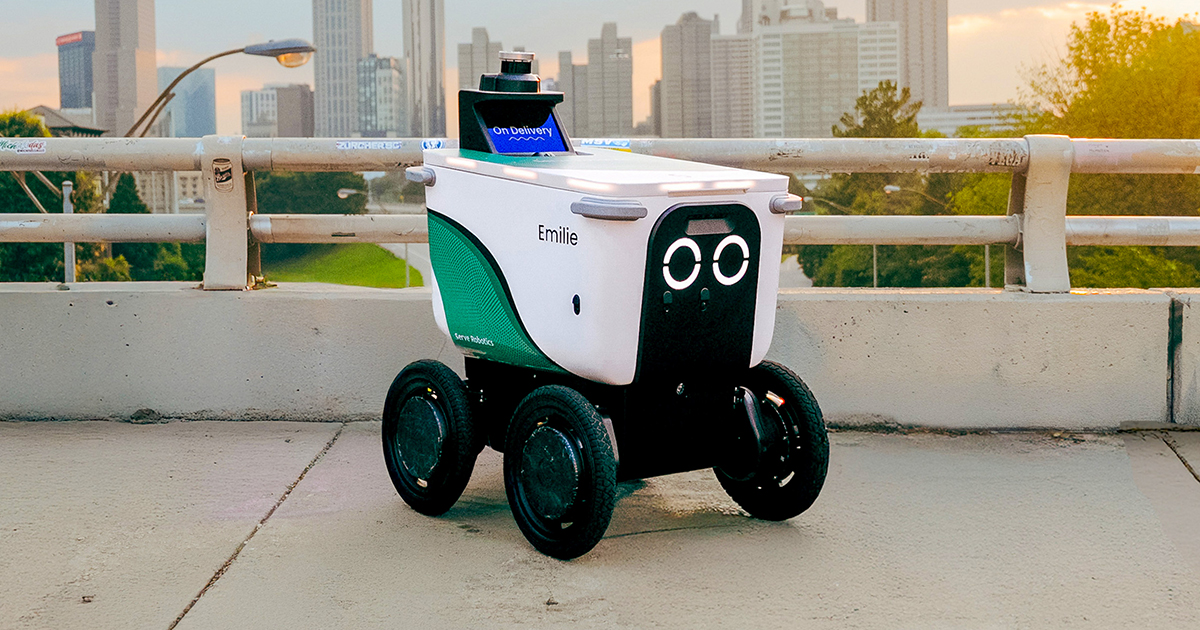
- Last-Mile Delivery: Sidewalk rovers and drones delivering packages to doorsteps.
- Ride-Sharing: Robotaxi services operating in select major cities.
Industry Insight: This sector faces the steepest climb for public trust. Our survey revealed that 59% of Americans are nervous about self-driving vehicles —the highest negative sentiment for any use case. For this application to scale, the industry must prioritize safety transparency.
Conclusion: The Future of Work
The applications of robotics are vast and growing, but they are not developing in a vacuum. They are shaping the economy and the workforce.
Despite the massive reach of these technologies, a "Perception Gap" remains. While 57% of people believe manufacturing will be transformed by robotics , only 12% believe their own job is at risk. As these applications continue to mature, bridging the gap between technological capability and workforce readiness will be the defining challenge of the next decade.
Want deeper insights into these trends? Download the full 2025 AI & Robotics Consumer Survey Report to see exactly how the American public views these emerging technologies now in 2026.
Click here to view the press kit.
More News
Get Engaged
The Pittsburgh Robotics Network is your doorway into our world-leading robotics, autonomy & AI community. Learn how you can become a member, partner with us, get involved with one of our events, and more.